
Ledger.com/Start® | Getting started®™ — Ledger Support
Get started with Ledger.com/start for wallet configuration and access resources that help you organize accounts, track holdings, review balances, and manage crypto.
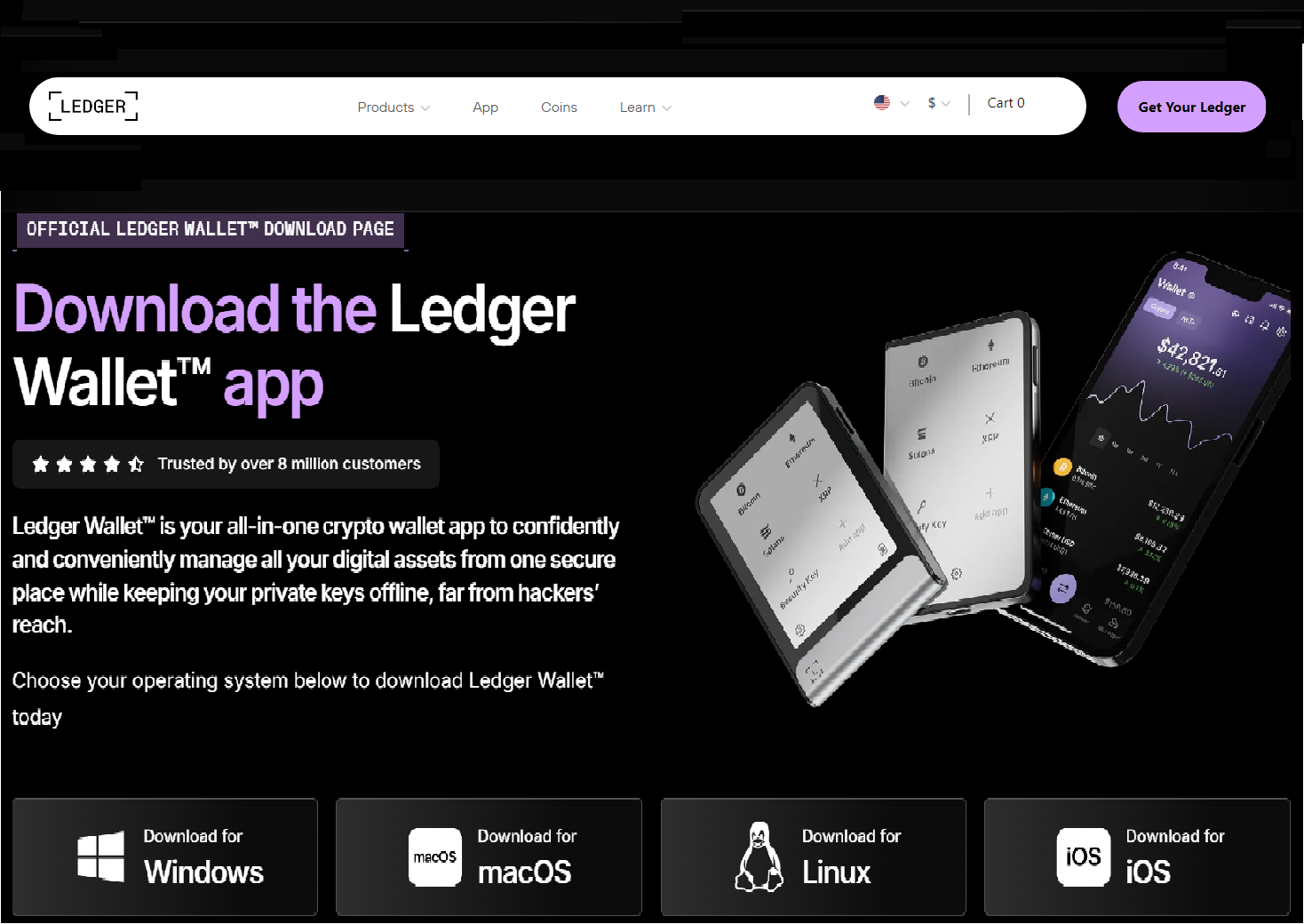
Ledger.com/start: Understanding the Difference Between Wallet Setup and Everyday Management
Setting up a hardware wallet and using it regularly are two different experiences. The initial setup introduces important security concepts, while everyday management involves reviewing accounts, receiving cryptocurrency, sending transactions, and responding to unexpected situations. Understanding this difference can help new users approach their wallet more confidently. Ledger.com/start can serve as an entry point for the setup stage.
Setup Is Only the Beginning
The initial wallet setup establishes the foundation for future use.
Before beginning, prepare a trusted computer and a private workspace. Verify that you are using the correct source and navigate independently to Ledger.com/start for setup-related guidance.
Read the instructions carefully and avoid treating the process as something that should be completed as quickly as possible.
Understanding the setup makes later wallet sessions easier to follow.
Everyday Management Requires Different Habits
After setup, your attention shifts toward normal wallet activities.
You may need to review balances, manage accounts, receive cryptocurrency, or prepare outgoing transactions.
These activities require a consistent verification process rather than simply repeating the original setup steps.
Learn Your Normal Wallet Environment
One of the first things to do after setup is become familiar with your wallet.
Understand where account information appears and how transaction activity is represented.
If you manage several assets, identify which accounts you use and why.
This creates a reference point for future sessions. When you understand what normal activity looks like, unusual information may be easier to notice.
Receiving Cryptocurrency
Receiving funds usually involves sharing an appropriate public receiving address.
Before providing an address, confirm the correct account and asset. Pay attention to relevant network requirements.
After receiving funds, review the transaction information and confirm that the activity appears as expected.
Remember that a public receiving address and confidential recovery information serve completely different purposes.
Sending Cryptocurrency
Sending requires more deliberate attention because an outgoing transaction can have significant consequences.
Before approving a transaction, review the destination, asset, network, and amount.
When confirmation information is presented, read it carefully. If something does not match your intention, stop and investigate.
Do not assume that a previously used address is automatically correct.
Software and Source Awareness
Everyday wallet management may involve accessing software or information resources.
Use trusted sources rather than downloading files from unfamiliar websites.
Be cautious about unexpected update messages. Instead of clicking a link immediately, independently verify whether an update or action is actually required.
This approach can help separate legitimate maintenance from misleading requests.
Responding to Support Requests
Another difference between setup and everyday management is the possibility of encountering unsolicited support messages.
Someone may claim that your wallet has an issue and ask you to provide information or follow a specific link.
Do not assume that the request is legitimate. Independently locate trusted support information and verify the situation.
Never disclose confidential recovery information to an unexpected contact.
Keep Your Wallet Organized
Everyday management becomes easier when your wallet remains understandable.
Avoid unnecessary accounts or settings changes. If you use multiple accounts, know the purpose of each one.
Keep your regular workflow simple enough that you can easily identify what you are doing during each session.
Learn Before Using Advanced Functions
As you become comfortable with basic wallet management, you may encounter more advanced features.
Do not use an unfamiliar function with important funds until you understand its purpose and potential consequences.
Learning first can reduce unnecessary mistakes.
Create a Session-Based Routine
A practical everyday routine might include four stages:
Review: Understand what you are about to do.
Verify: Check the source and transaction information.
Confirm: Approve only when the details match your intention.
Finish: Review the result and close the session appropriately.
This framework can be adapted to different wallet activities.
Conclusion
The journey beginning at Ledger.com/start is only the first part of hardware-wallet ownership. Setup establishes the foundation, while everyday management requires ongoing attention to accounts, transactions, information privacy, trusted sources, and unusual requests.
By recognizing the difference between these two stages, users can develop a practical routine that grows with their cryptocurrency experience.
Updated about 5 hours ago