
Ledger.com/Start® | Getting started®™ — Ledger Support
Ledger.com/start provides useful information for configuring your Ledger device and accessing wallet tools for accounts, holdings, balances, and crypto activity.
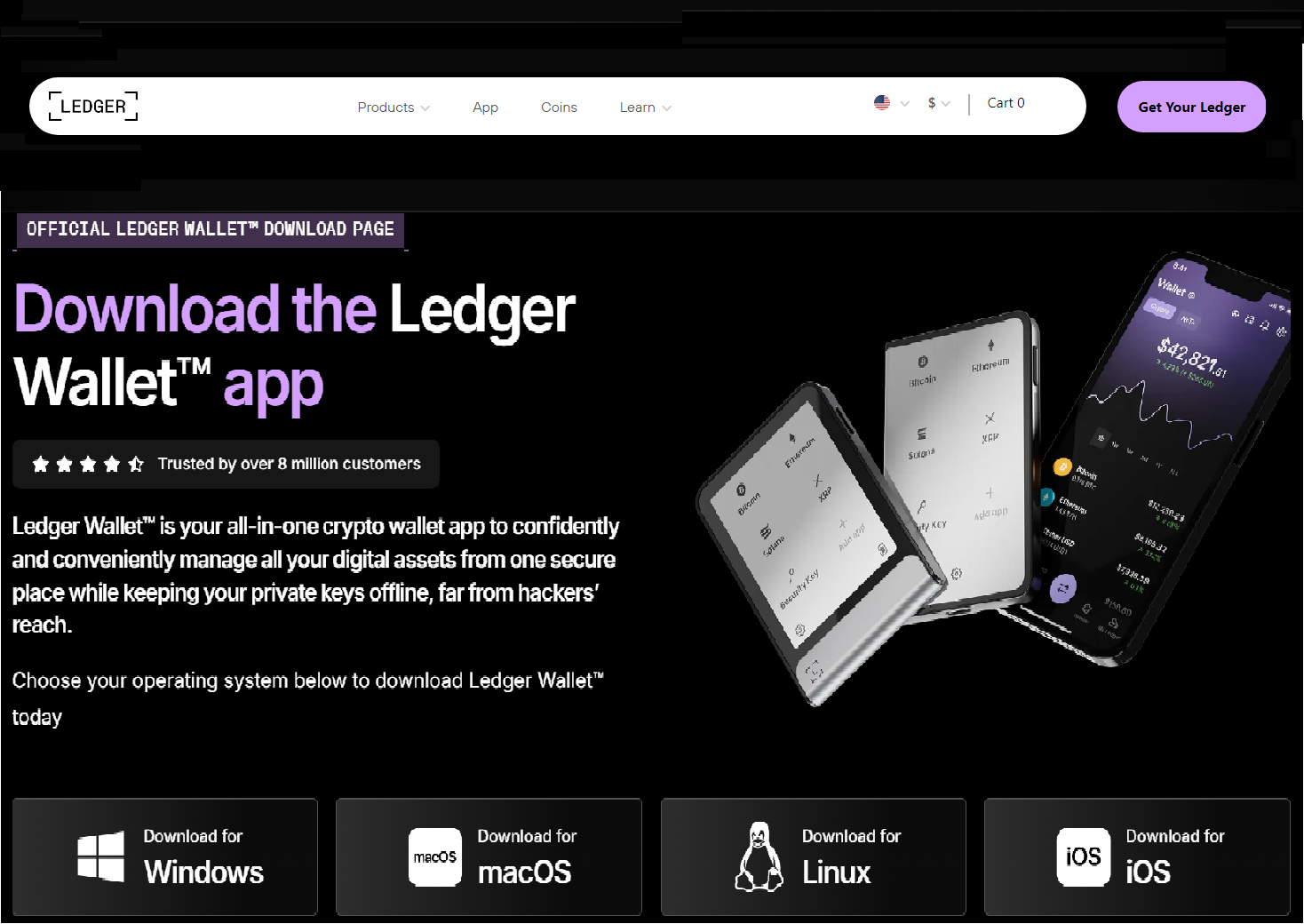
Ledger.com/start: How to Prepare for Your First Month With a Ledger Wallet
The first few weeks after receiving a hardware wallet are an opportunity to build good habits. Instead of trying to learn everything at once, new users can gradually become familiar with wallet accounts, transactions, security practices, and routine maintenance. Ledger.com/start provides a useful starting point for understanding the setup process and preparing for regular wallet management.
Start With a Learning Mindset
A hardware wallet may feel unfamiliar during your first session. Rather than rushing to make transactions immediately, spend some time understanding the basic functions of your device and wallet software.
Learn how accounts work, how receiving addresses are presented, and where transaction information appears before attempting more complicated operations. Familiarity can make later sessions easier to navigate.
Make Security Part of the Setup
Security should begin before you connect your wallet. Use a trusted computer and pay attention to the source of any software or instructions you follow.
The recovery information associated with a wallet deserves particular protection. It should never be treated like an ordinary password or copied into digital notes for convenience. Avoid sharing it with anyone, including people claiming to be customer-support representatives.
If a message unexpectedly asks for confidential wallet information, stop and verify the situation independently.
Use Your First Week to Learn Receiving
Receiving crypto can be a useful way to become familiar with wallet addresses without immediately focusing on outgoing transactions.
Before receiving an asset, confirm that the selected asset and account are appropriate. When sharing an address, review it carefully and use the address provided by your wallet rather than relying on an old message or manually retyping information.
After a transaction is initiated, use the appropriate transaction information to monitor its progress.
Approach Sending More Carefully
Sending digital assets requires an additional verification step. Before approving a transaction, check the recipient address, asset, amount, and network.
Do not assume that a transaction is correct simply because the details look familiar. If the destination is new, consider taking additional time to verify it.
For larger transfers, some users may prefer to begin with a smaller amount when practical. This can provide an additional confirmation that the intended process and destination are correct.
Organize Accounts as You Learn
As you become familiar with your wallet, you may create or manage accounts for different assets or purposes. Keep your organization understandable.
For example, you might use separate accounts where that structure genuinely helps you distinguish activities. Avoid creating unnecessary accounts simply because they are available.
A simple structure can make portfolio reviews and transaction preparation easier.
Create a Monthly Security Review
After several weeks of use, set aside time to review your wallet routine. Ask yourself whether you are consistently checking transaction information, keeping confidential recovery information private, and using trusted software sources.
Look for habits that could introduce unnecessary risk. For example, repeatedly approving transactions without reading the details can become a problem even if earlier transactions were successful.
A periodic review helps turn individual security tips into long-term habits.
Watch for Unusual Requests
One of the most important lessons for new wallet users is to be cautious when someone creates urgency around a wallet problem.
Unexpected messages may claim that an account requires verification, an asset is at risk, or recovery information must be entered somewhere. Rather than following the supplied instructions immediately, stop and locate trusted information independently.
Conclusion
Ledger.com/start is more than a place to begin a wallet setup. It can serve as the starting point for developing a responsible approach to digital-asset management.
Use the first month to learn gradually, protect confidential information, understand your accounts, verify transactions, and establish a repeatable security routine. By turning these actions into habits, wallet management can become clearer and more organized over time.
Updated about 4 hours ago